This week, the International Maritime Organization (IMO) headquarters in London hosted the 20th Intersessional Working Group on Greenhouse Gases (ISWG-GHG 20). The meeting is a key technical-negotiation forum for IMO’s process to develop and finalize mid- and long-term measures to reduce greenhouse gas (GHG) emissions from international shipping.
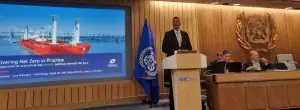
Following the heated Net-Zero Framework debate the previous week, the meeting carried an unmistakable buzz. Then Erik Hjortland entered the stage and caught the attention with a clear message: the pathway to net-zero shipping is already within reach.
Real results from real operations
Odfjell’s chemical tanker Bow Olympus completed a transatlantic voyage earlier this year, powered by a dual propulsion solution: suction sails on deck, 100% waste-based, ISCC-certified biofuel meeting both IMO and the EU’s sustainability criteria in the bunker tanks.
The goal was to demonstrate the GHG reductions possible by utilizing options available here and now. The results might have surprised even the most hardcore optimists at Odfjell: it achieved a 20% consumption reduction due to the sails, and 85% reduction in well-to-wake greenhouse gas emissions due to the sustainable biofuel.